
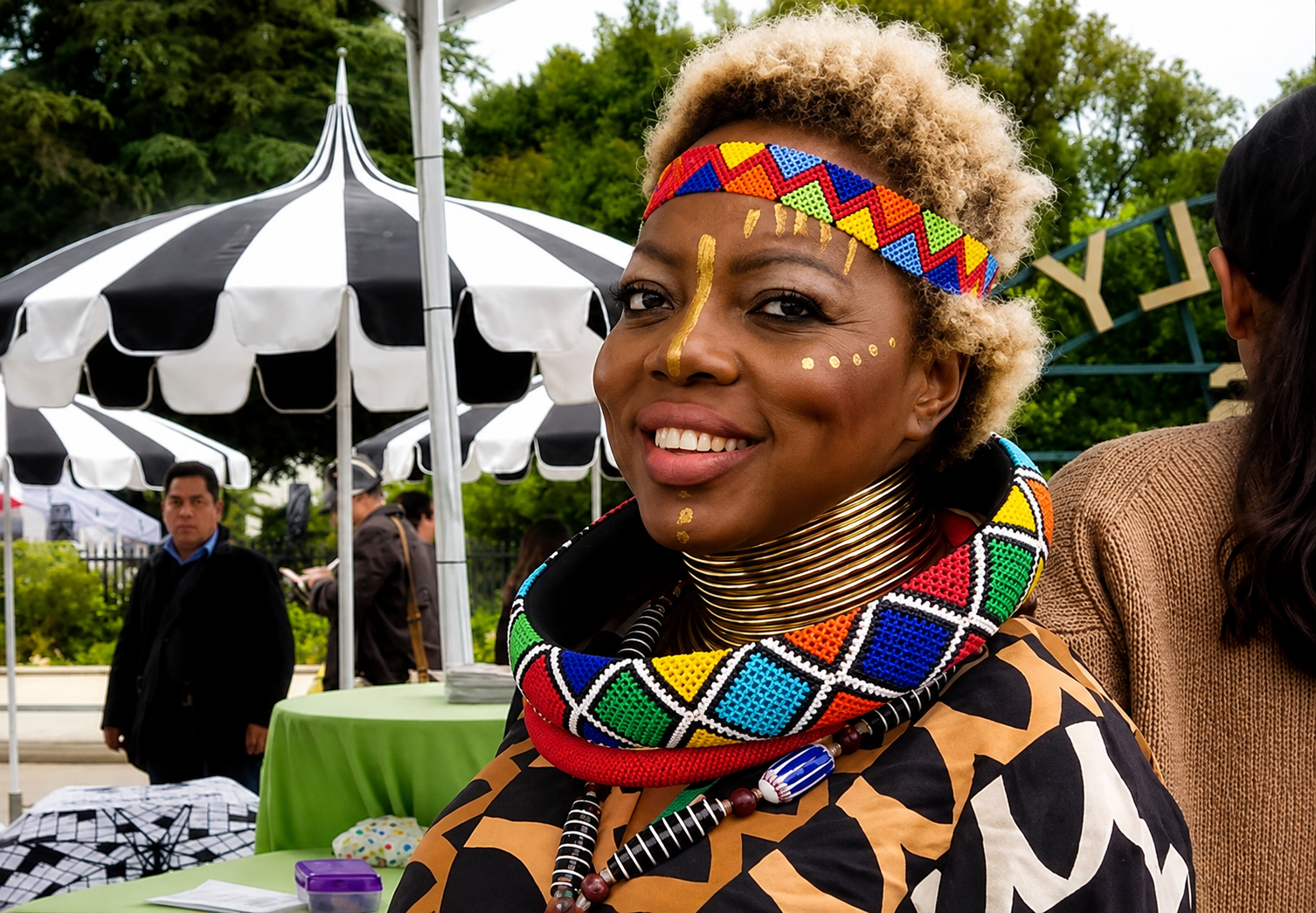
Image created by Marianne Gisèle Bema
FIDIWEST welcomes Marianne Gisèle Bema and her Bantu Arts Atelier
In a neighborhood built around the movement of people, ideas, and capital, Marianne Gisèle Bema believes there is another kind of exchange worth cultivating: cultural knowledge.
There are few places in New York where the future and the past exist in such close proximity as FIDIWEST. Glass towers rise above streets that have carried merchants, immigrants, artists, financiers, and dreamers for centuries. The neighborhood sits at the intersection of global commerce, culture, architecture, and an increasingly vibrant residential life. It is precisely here, in this improbable meeting place of capital, history, and global culture, that a Bantu Arts Atelier belongs.
Not because FIDIWEST needs another attraction. New York has enough attractions. It needs places that make people stop, participate, ask questions, and see the world differently. It needs spaces where culture is not simply displayed behind glass or reduced to a date on a timeline, but experienced through the hands, imagination, rhythm, stories, and creative practices of the people who carry it. That is the idea behind Bantu Arts Atelier—and the mission of its founder, Marianne Gisèle Bema.
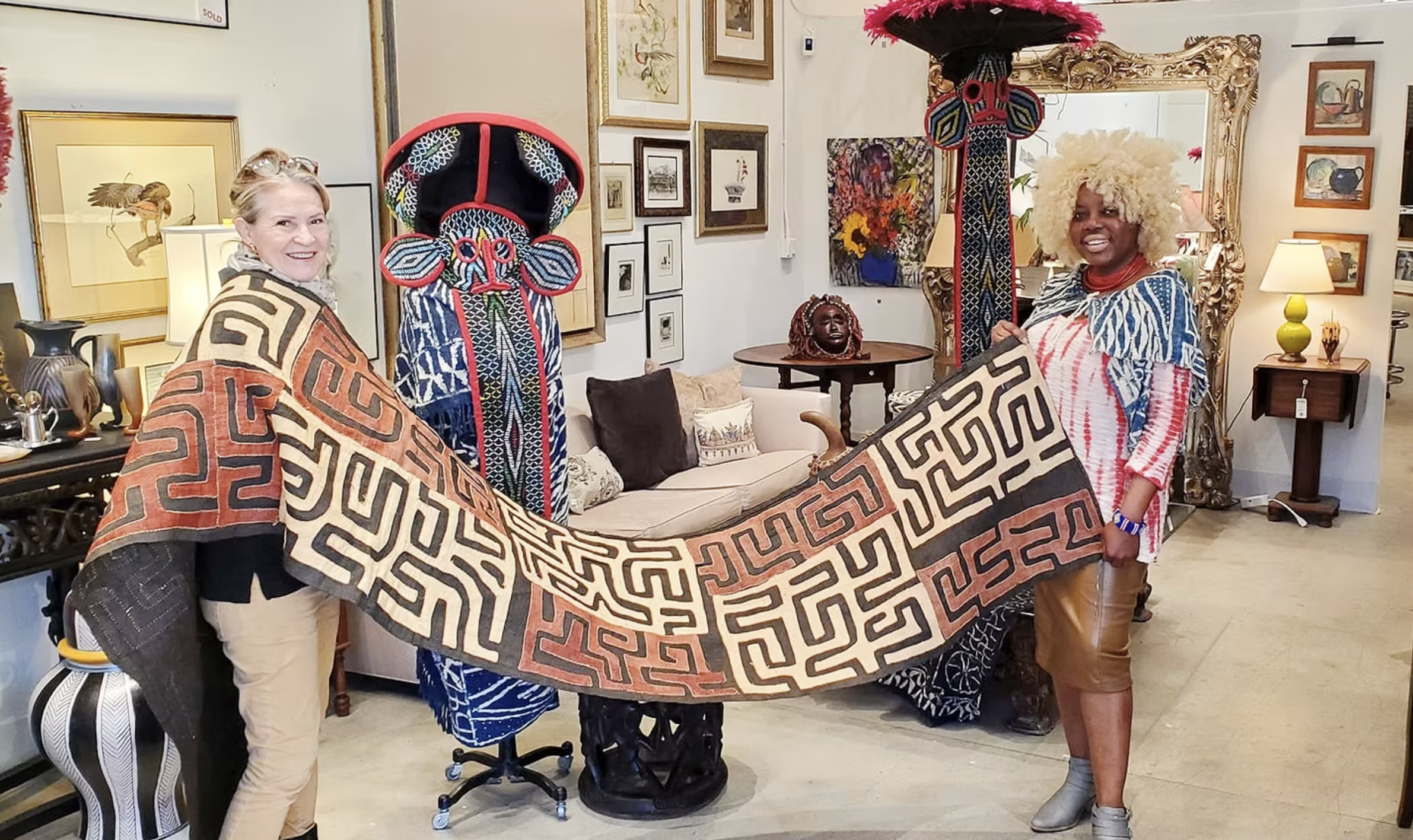
A Culture Meant to Be Experienced
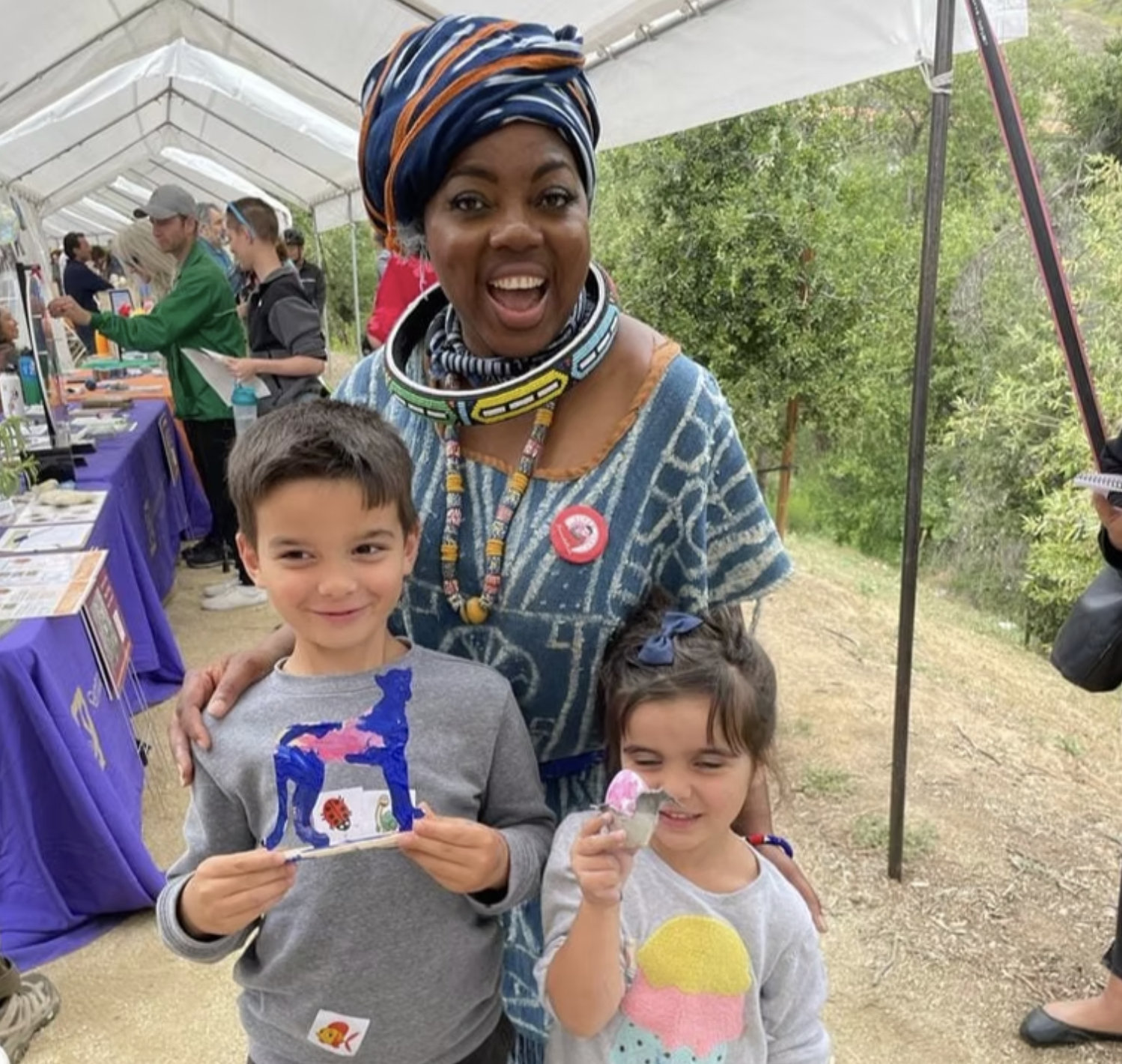
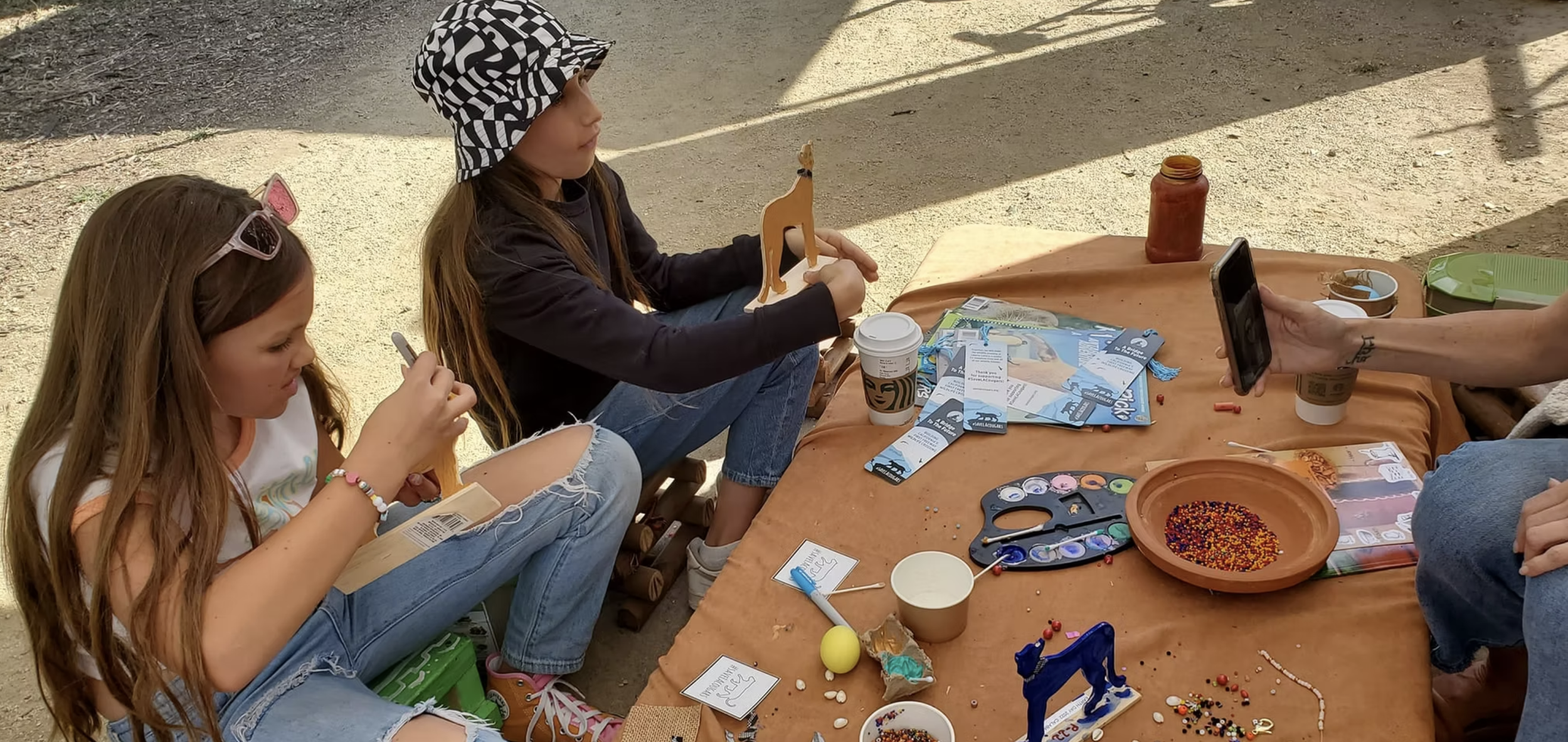
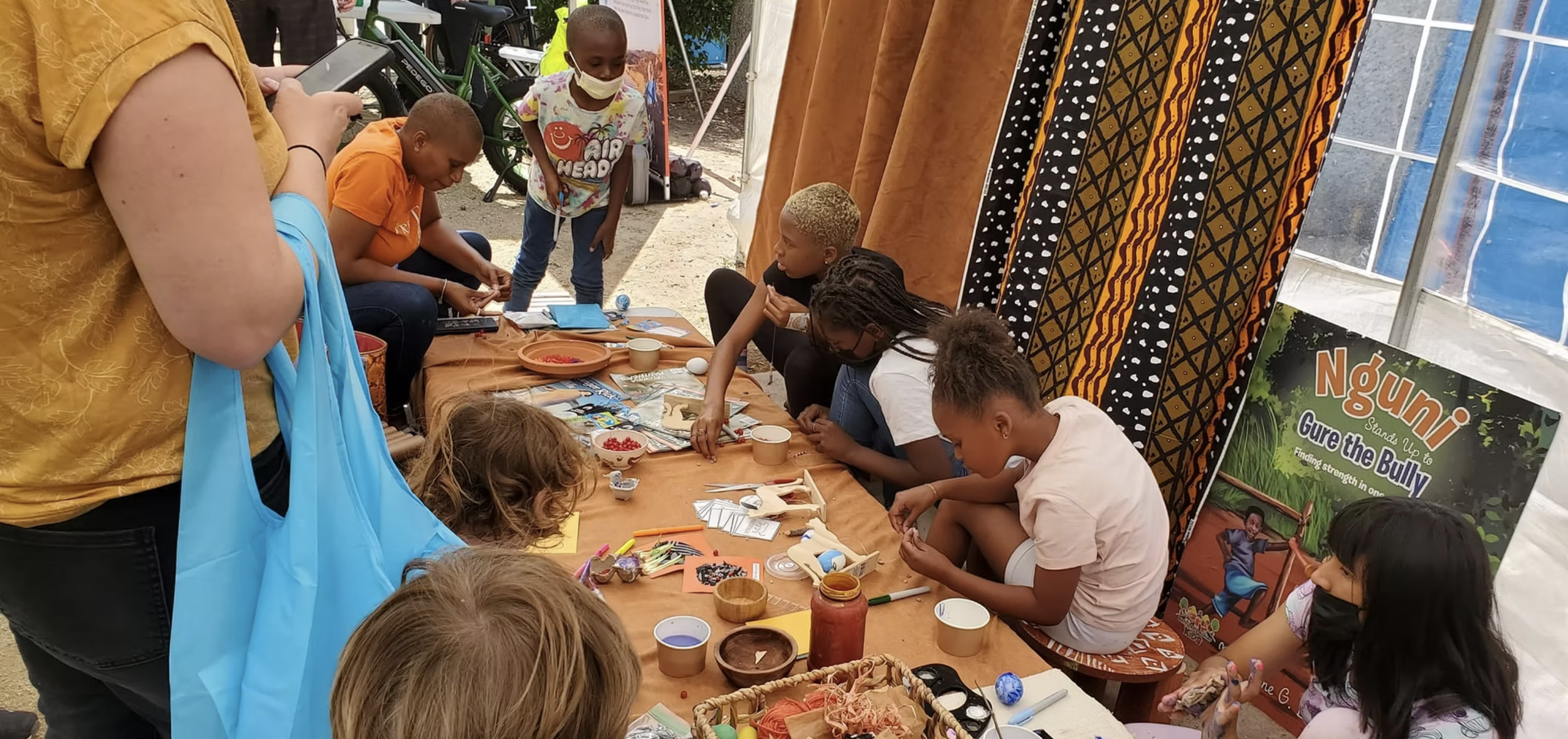
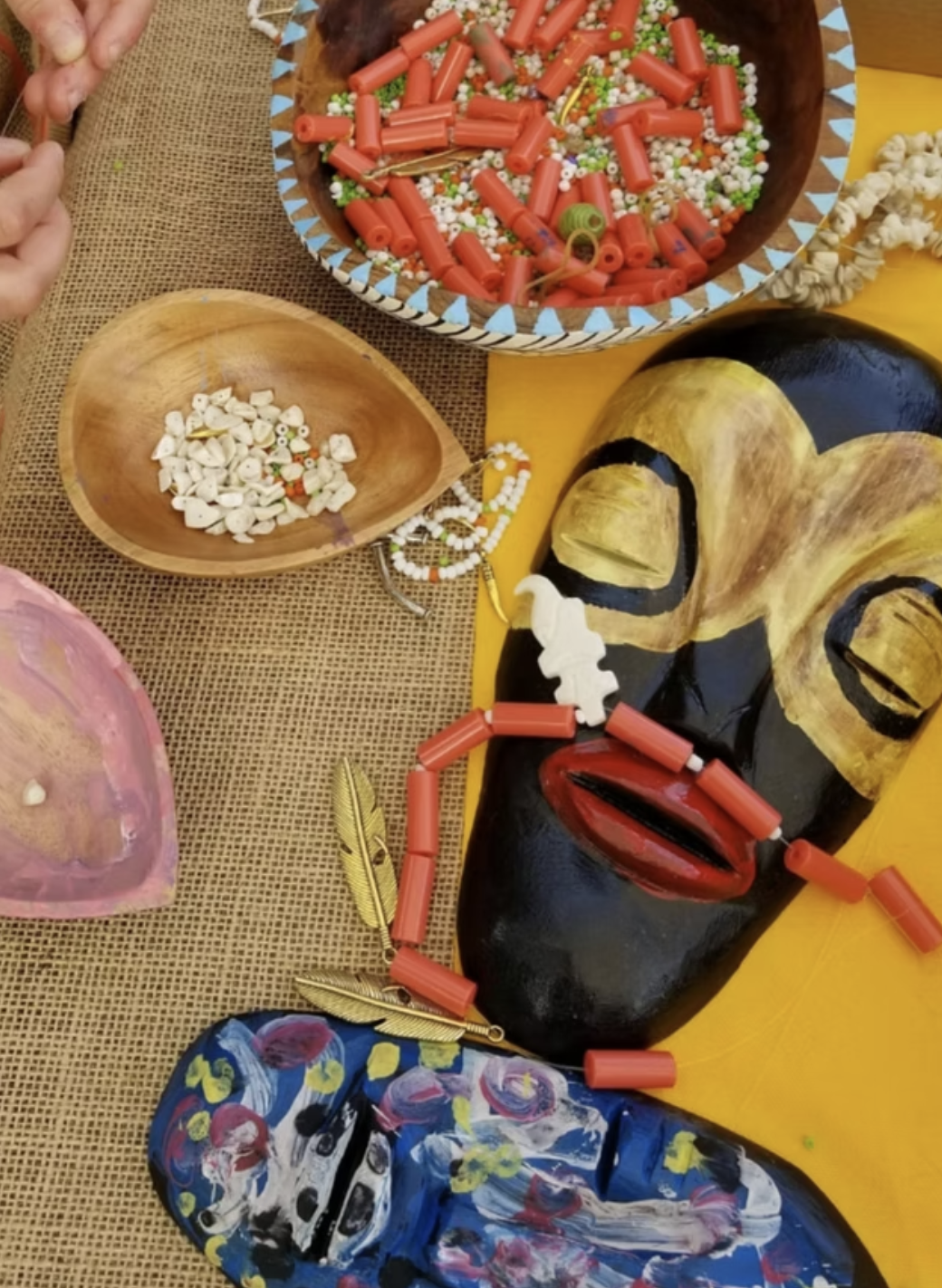
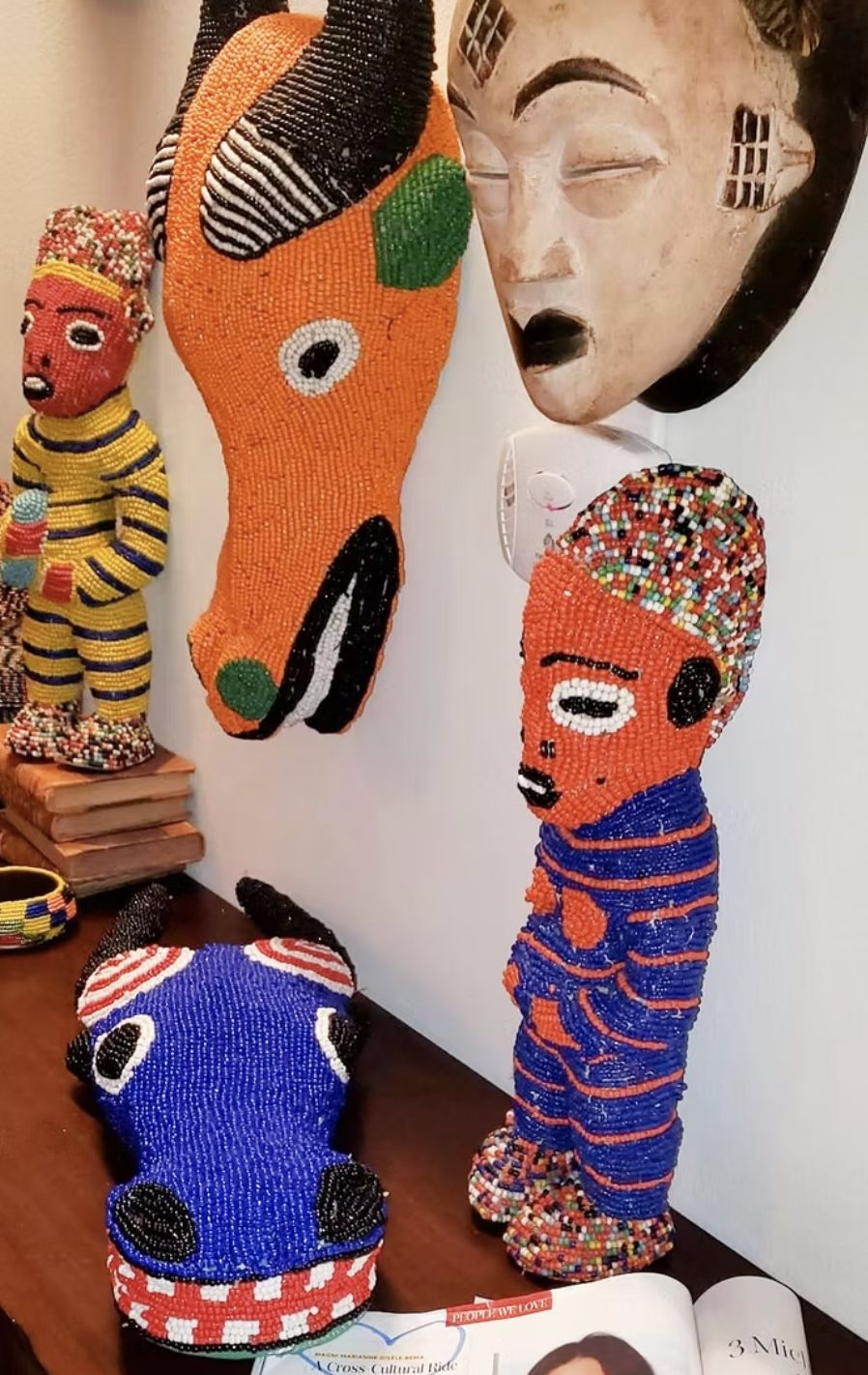
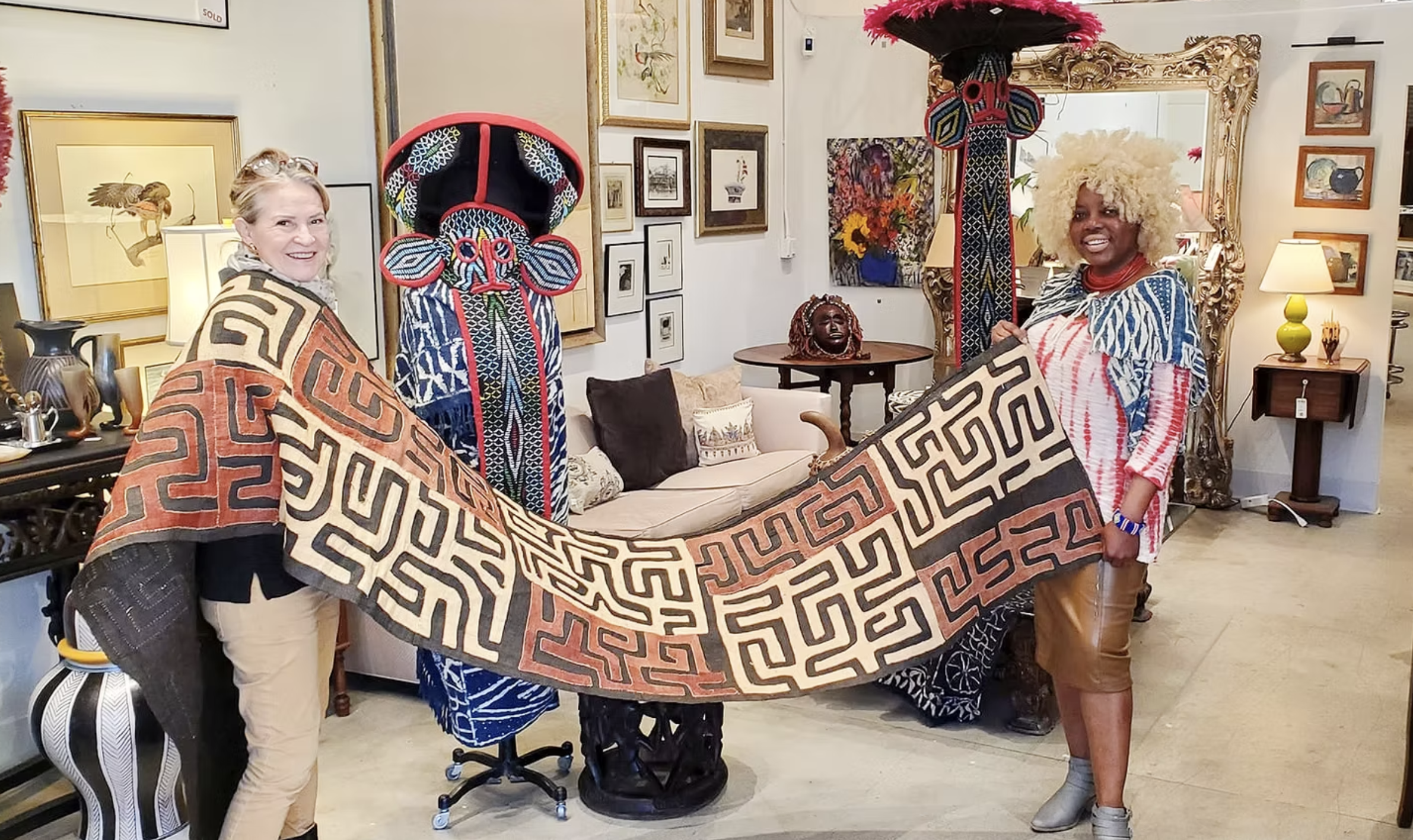
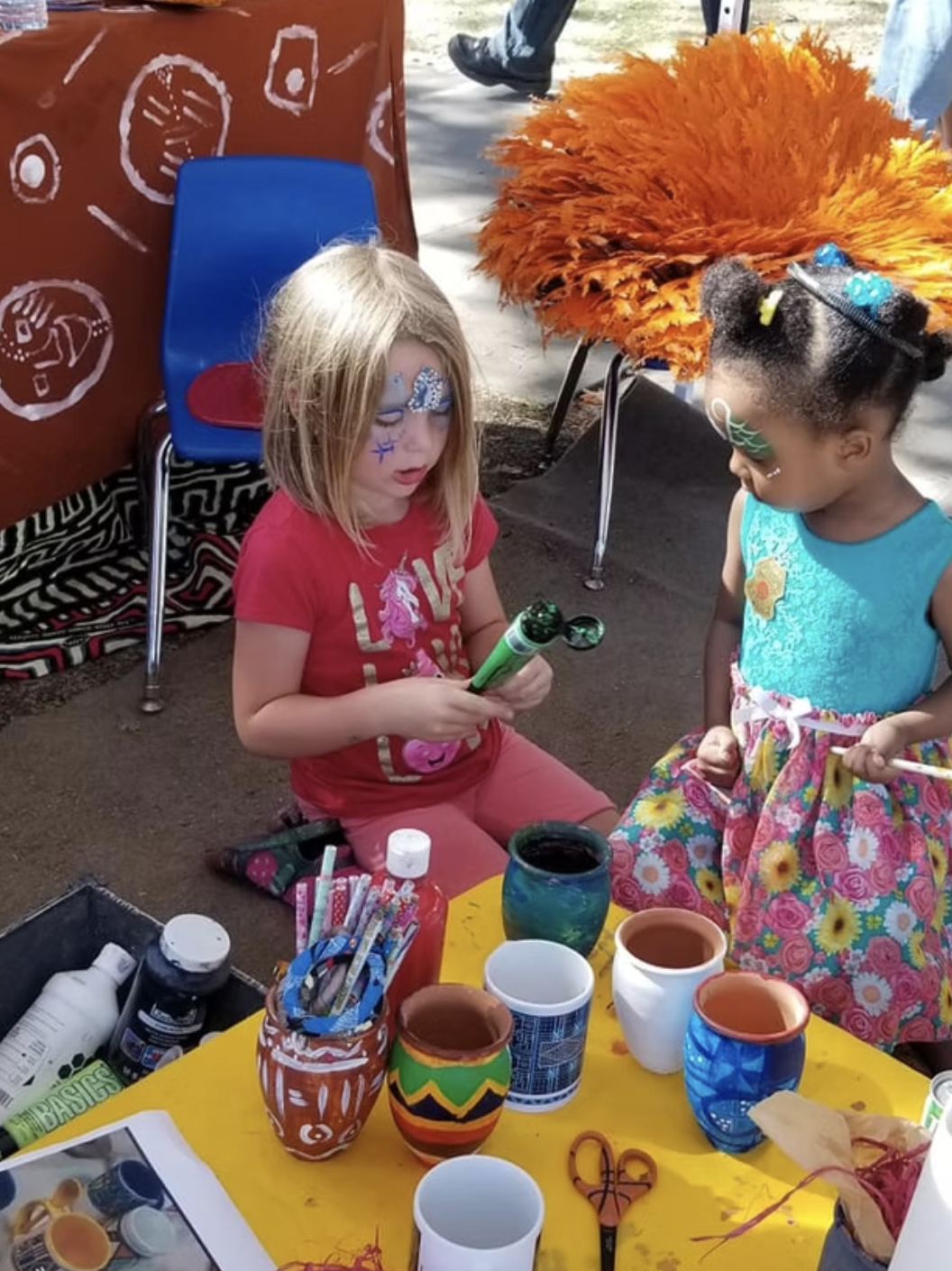
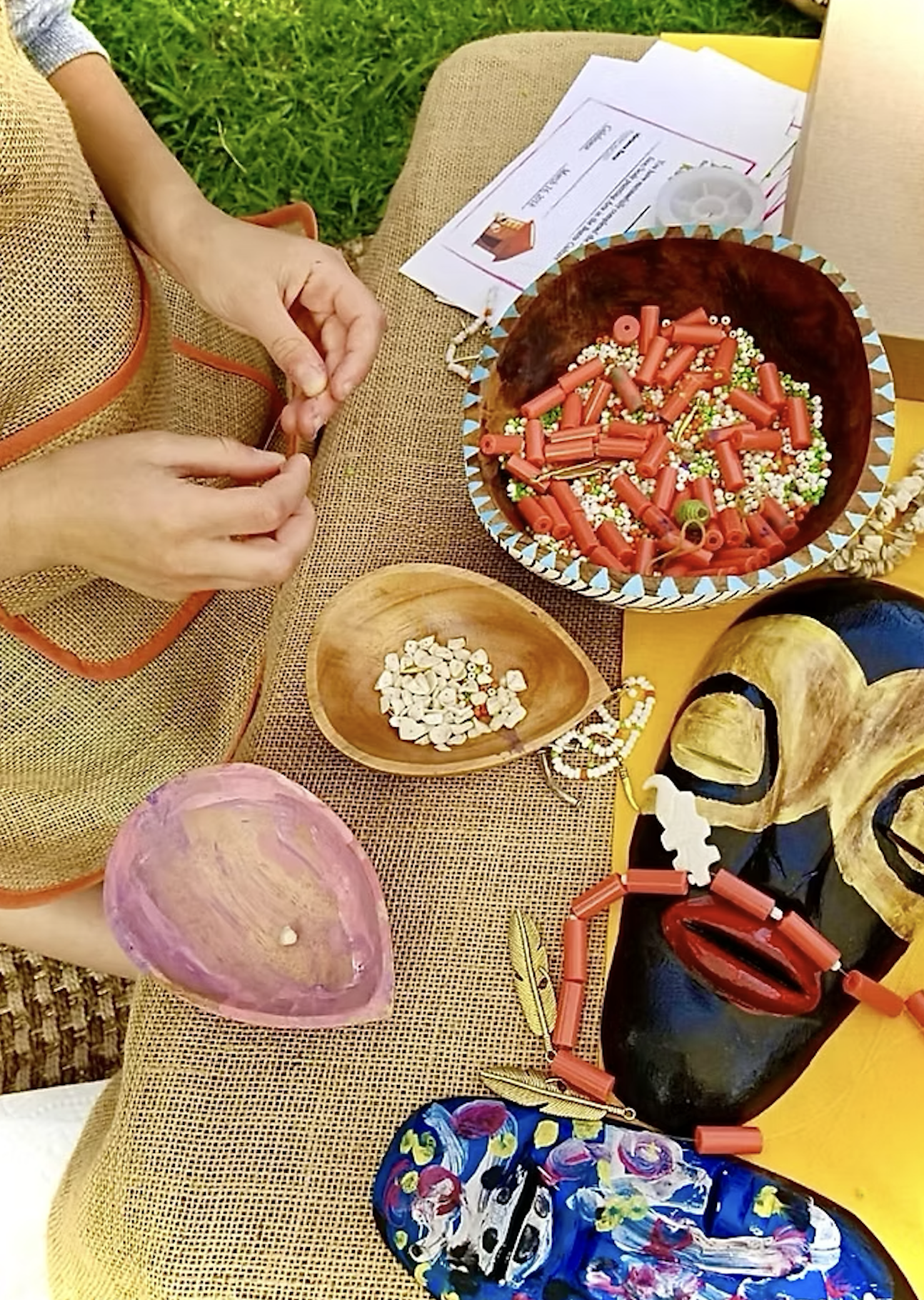
Bema is an artist, author, and cultural educator whose work centers on making Bantu arts recognizable, understandable, and alive through practice. Her approach is deceptively simple: cultural knowledge becomes more powerful when people are invited to experience it rather than simply observe it. Through workshops, arts and crafts, games, fashion, dance, storytelling, culinary experiences, and other forms of creative participation, Bema introduces children, educators, families, and communities to Bantu cultural practices.
Her work begins with a fundamental question: What happens when we actually learn? What does a pattern mean? Why was a particular material used? What does a story teach? How does a community transmit knowledge? What can be understood by making something with your own hands that cannot be understood by looking at a photograph? These are not merely questions about African art. They are questions about how human beings create, preserve, and transmit meaning.
Beyond the Museum
The word “Bantu” can feel abstract to many Americans. It is often encountered as a linguistic or historical term rather than as a living cultural world. Yet Bantu-speaking peoples encompass an enormous geographic and cultural landscape across Central, Eastern, Southern, and parts of Western Africa, encompassing diverse languages, histories, artistic traditions, social structures, and contemporary identities. To encounter Bantu culture, therefore, is not to encounter a single aesthetic. It is to enter a vast constellation of human histories.
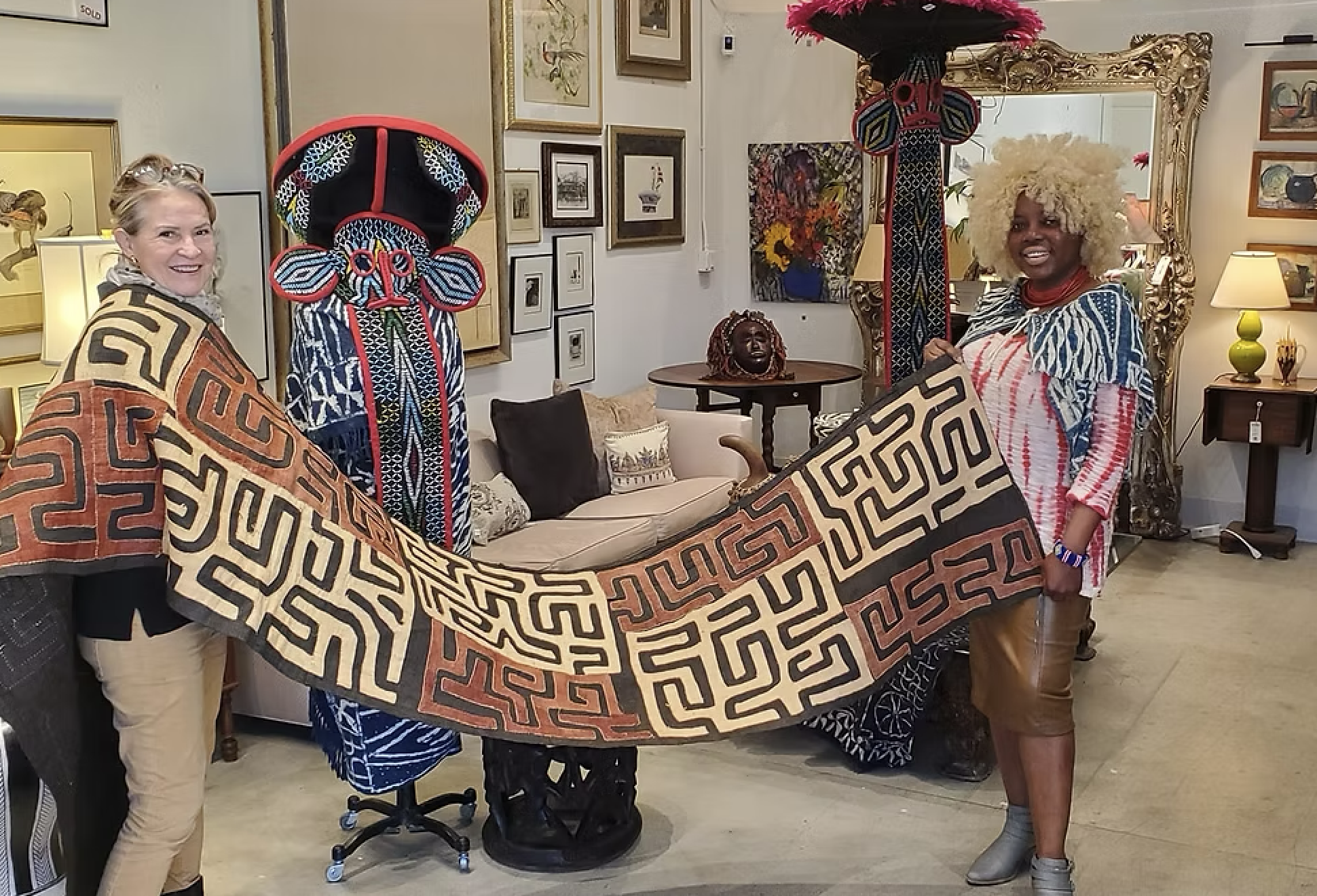
That distinction matters. For too long, African culture has sometimes been presented to Western audiences through a narrow set of images: masks, textiles, drums, wildlife, ancient kingdoms. These images can be beautiful, but beauty without context can create distance. A mask becomes an object, a pattern becomes decoration, a drum becomes an instrument, and a story becomes folklore.
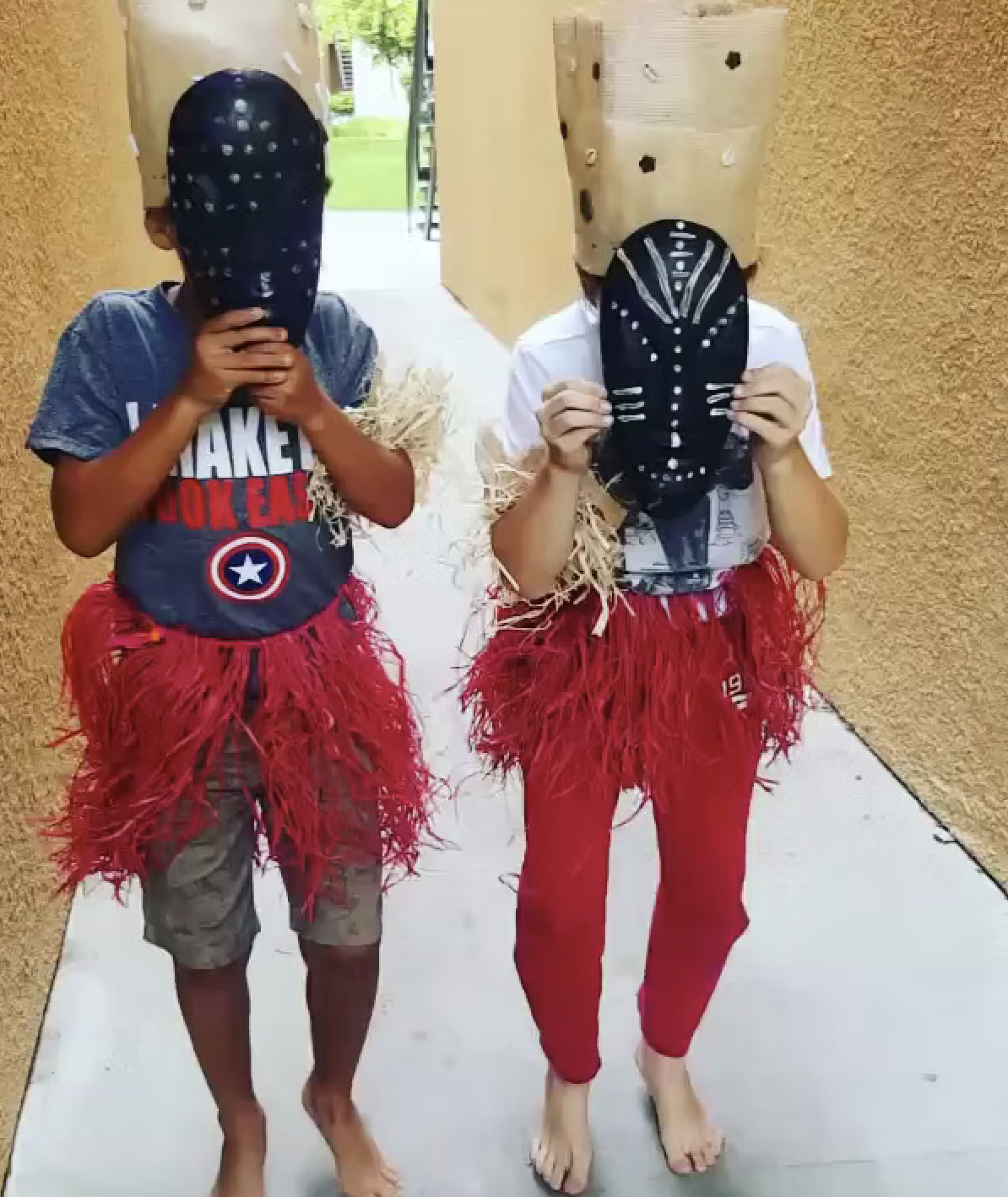
Bema's approach begins somewhere else. It begins with practice. A child doesn't simply learn a pattern; they make it. They don't simply hear a story; they participate in it. They don't simply look at an artifact; they begin to understand the hands, symbols, materials, movements, and ideas behind it.
This is where the word atelier becomes important. An atelier is not simply a classroom. It is a place of making—a studio, a workshop, a laboratory of the artist. It implies that knowledge is not static. It is practiced.
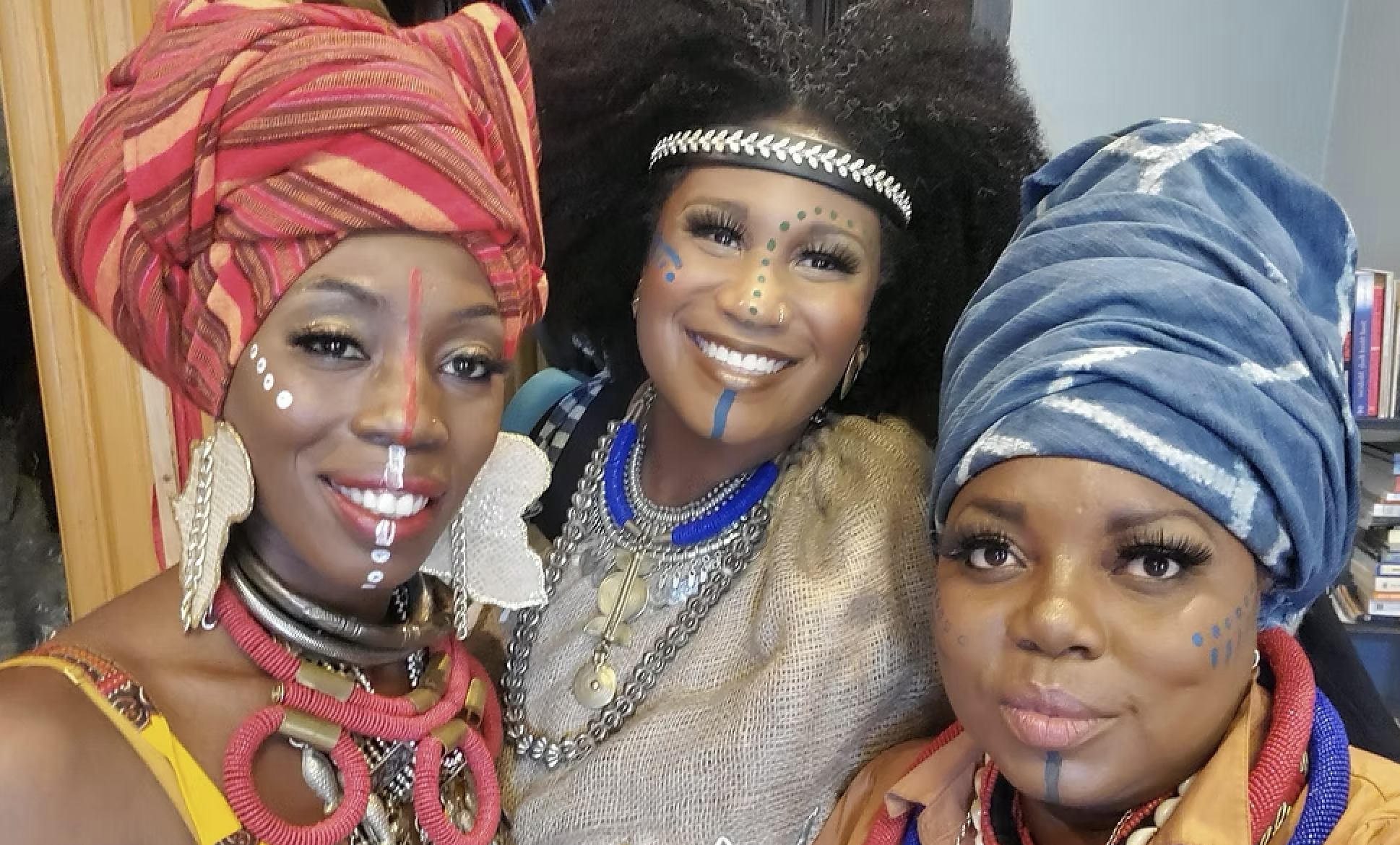
From Africa to New York
There is also something especially fitting about introducing Bantu arts to a city like New York. New York has always been shaped by migration and cultural exchange. Its identity is not singular; it is cumulative. One culture arrives, another intersects with it, a new language emerges, a new cuisine takes shape, a new artistic movement begins, and a new neighborhood changes. This is how New York creates itself.
Bantu Arts Atelier participates in that same process. It does not ask New York to look backward. It asks New York to look deeper: to understand that culture is not simply a collection of artifacts but a living system of knowledge; that art can be a language; that craft can be an archive; that food can carry memory; that rhythm can create belonging; that stories can teach communities how to live; and that the most powerful form of preservation may be the moment when someone encounters an inherited idea and decides to carry it forward.
Marianne Bema's Mission
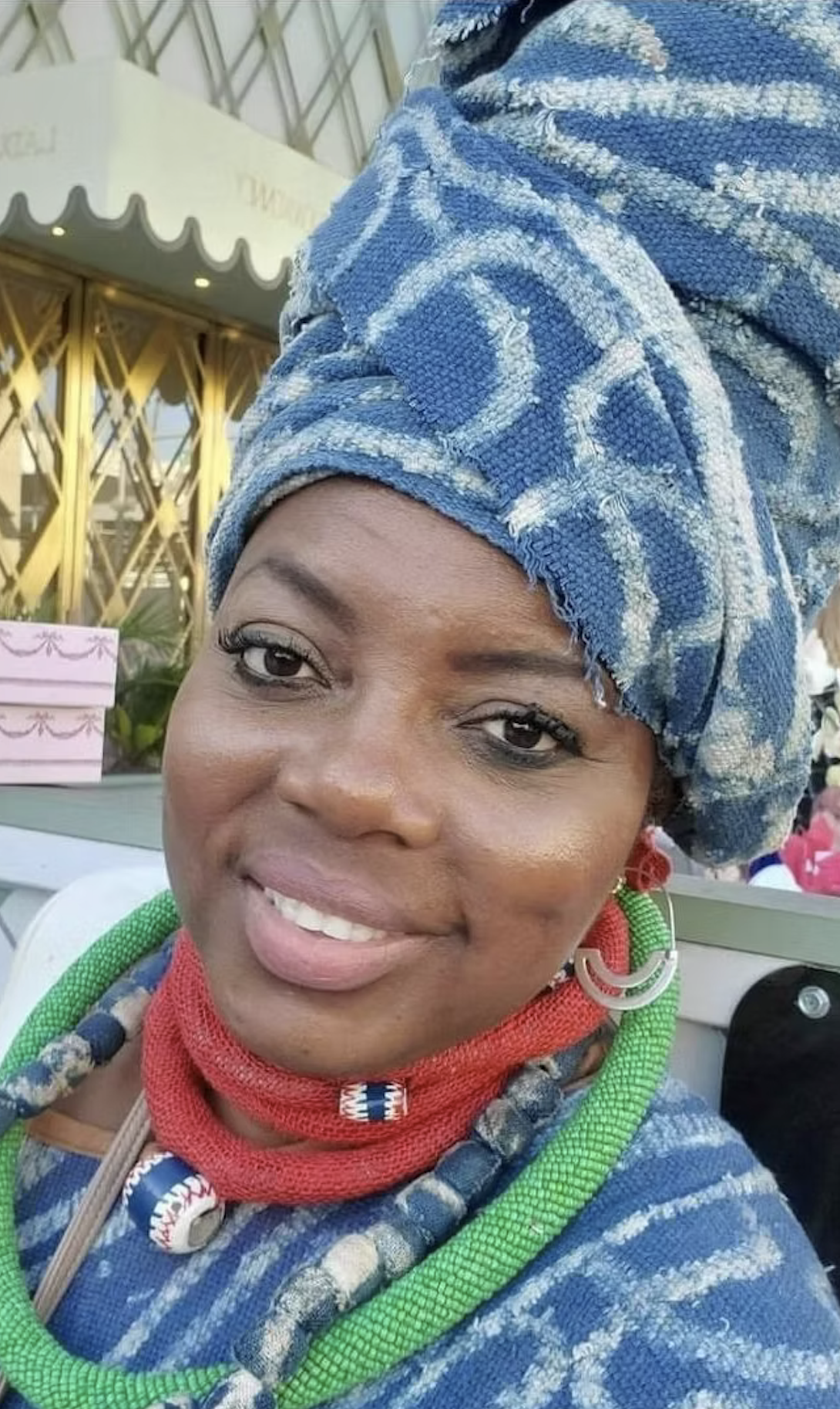
At the center of this work is Marianne Bema. Her role is not simply that of an educator. She is a transmitter. She inherited cultural knowledge, and she has chosen to make that knowledge accessible to others.
There is something deeply human in that responsibility. It says: I received something valuable, I learned from it, and now I have a responsibility to pass it forward. That idea gives Bema's work a powerful generational dimension. Her work is not about freezing Bantu culture in time. It is about allowing it to continue moving.
That means children can encounter it, educators can teach it, families can experience it, communities can reinterpret it, and future generations can inherit something that remains alive rather than something that has become merely historical.
A Different Kind of Education
There is often a strange anxiety around learning about cultures that are not one's own. People worry about appropriating, misunderstanding, offending, or saying the wrong thing. The result can be paralysis: better not to ask, better not to engage, better to remain safely outside.
But cultural understanding cannot be built entirely from a distance. Someone has to open the door. Someone has to say: come in, look, ask, listen, make something, move, taste, and learn the story behind it.
Bema's work creates precisely that invitation. It makes cultural learning accessible without making it superficial, and that distinction is crucial. The goal is not simply to expose people to something unfamiliar. The goal is to help them understand why it matters.
The Art of Transmission
For Bema, practice is a form of transmission. The techniques, symbols, and artistic knowledge inherited from ancestors, in her philosophy, are meant to continue living through creation, teaching, and transmission. That makes her work about more than preservation. Preservation can suggest that something belongs to the past and must be protected from disappearing. Transmission assumes movement.
It assumes that knowledge can travel from one generation to another, from one continent to another, and from one community into another without losing its meaning. Bema herself embodies that movement. Born in Cameroon and later establishing her work in the United States, she has built a cultural practice around bringing inherited knowledge into contemporary life. She teaches it, makes it, shares it, and creates an environment where people from outside the culture can encounter it with curiosity rather than intimidation.
That may be one of the most important things a cultural institution can offer today.
Why FIDIWEST?
The answer begins with the neighborhood itself. FIDIWEST is a place defined by exchange. People, ideas, capital, languages, businesses, and cultures move through it every day. The Financial District has historically represented New York's role as a global center of commerce. Today, Lower Manhattan is also increasingly a place to live, gather, dine, explore, and experience culture.
The neighborhood is changing. The question is what kind of cultural life it wants to cultivate. One possibility is a neighborhood full of destinations. Another is a neighborhood full of encounters. The second is more interesting.
A Bantu Arts Atelier could become one of those rare places where education and experience become inseparable. A child could come for a workshop and leave with a new understanding of another culture. An adult could arrive knowing almost nothing about Bantu artistic traditions and leave with a new appreciation for the complexity of African creative knowledge. A teacher could learn something to bring back into the classroom. A family could make something together. A visitor could discover a culture they had never previously encountered.
That is the kind of cultural infrastructure a global neighborhood deserves.
The Future Needs Memory
FIDIWEST is a neighborhood obsessed with the future. Its skyline is an expression of ambition. Its businesses operate across borders. Its residents come from around the world. Its streets are filled with people building companies, managing capital, designing technologies, creating art, and imagining what comes next.
But a city cannot build a meaningful future by looking only forward. It also needs people who know how to carry the past forward intelligently. That is what Bantu Arts Atelier represents: an argument for memory without nostalgia, for tradition without stagnation, for education without intimidation, for culture without distance, and ultimately, for connection.
Why Now
The opportunity for FIDIWEST is not simply to add another cultural destination. It is to create a place where people can encounter one another through culture.
A Bantu Arts Atelier could become a living space for children, educators, families, artists, residents, workers, and visitors—a place where making becomes learning, learning becomes understanding, understanding becomes curiosity, and curiosity creates connection.
That is particularly valuable in a neighborhood that is increasingly becoming a destination in its own right. FIDIWEST has the density, diversity, architecture, history, and global energy to support something distinctive. What it needs are places that reflect that energy: places that tell stories New Yorkers may not yet know, and places that expand the city's definition of whose knowledge belongs in the center of the conversation.
Come Into the Atelier
Perhaps the most compelling reason FIDIWEST needs a Bantu Arts Atelier is also the simplest. Sometimes the best way to understand another culture is not to stand outside it and look in. Sometimes, you have to enter the atelier. You have to sit down, listen, make, move, ask questions, taste, create, and discover that what was once unfamiliar can become part of your understanding of the world.
That is the promise of Bantu Arts Atelier. Not simply to preserve a culture, but to keep it alive.
And in a neighborhood built around the movement of people, ideas, and capital, there may be no more fitting mission than creating a place where cultural knowledge can move too.
FIDIWEST doesn't need another attraction. It needs another point of connection. A place where New Yorkers can encounter a living culture, where generations can learn from one another, and where the knowledge of the past can become part of the imagination of the future.
That place could be Bantu Arts Atelier.